
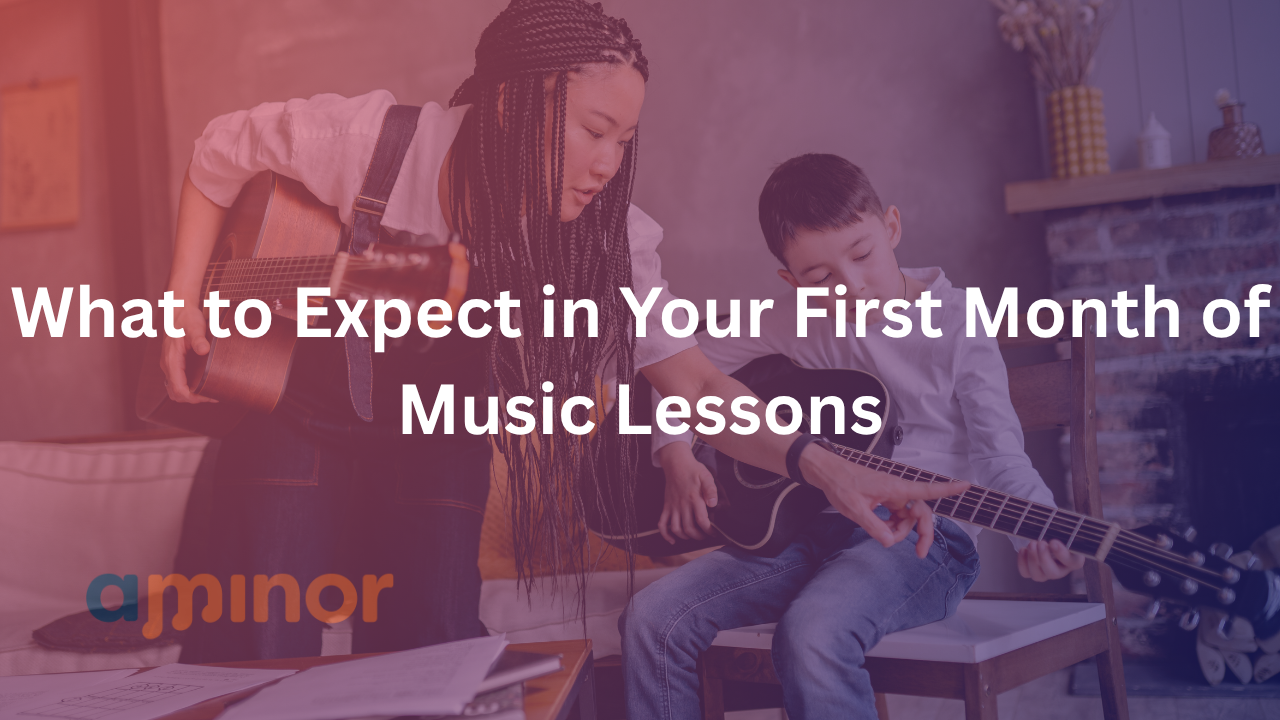
So, you’ve signed up for music lessons—amazing! Whether it’s guitar, piano, vocals, or even the kazoo (hey, no judgment), that first month is a big deal. It’s the start of something personal, creative, and potentially life-changing. But what actually happens in the first few weeks? Do you have to know how to read sheet music? Will your fingers fall off? Will you be writing symphonies by week two?
Let’s take a deep breath together and break it all down. Here’s what you can really expect in your first month of music lessons—and spoiler alert: it’s more fun than fear.
1. Getting to Know Your Instrument
Your first few lessons will likely be about introductions. Think of it as a “getting to know you” phase. You’ll learn how to hold, play, or approach your instrument properly. No pressure to master anything—this stage is all about comfort and confidence.
Expect to learn:
- Basic parts of the instrument
- How to tune it (if applicable)
- How to sit/stand and hold it correctly
- Simple technique drills to build familiarity
Tip:
Treat your instrument like a new friend. Be curious, gentle, and spend a little time together every day.
2. Small Wins, Big Smiles
You probably won’t be shredding solos or performing ballads in week one—but you will celebrate tiny victories that feel like huge steps.
You might:
- Play your first chord or note
- Clap along to simple rhythms
- Learn a tiny piece of a real song
These little wins are proof: you’re doing it!
3. Building Musical Muscles
Just like learning to ride a bike, your fingers, voice, or breath need a bit of training. Your teacher will guide you through finger exercises, vocal warmups, or rhythmic patterns to start building muscle memory and coordination.
Don’t worry if it feels clumsy at first. Every pro was once a beginner struggling to find middle C or play a clean G chord. It’s part of the magic.
4. Understanding the Basics (Without the Boring Bits)
You’ll start picking up some music theory—things like note names, rhythm values, or how chords work. But it won’t be like a dry lecture. A good teacher will sprinkle in just enough theory to make things click, without overwhelming you.
Think of it like learning the rules of a game you’re about to fall in love with.
5. Playing Music Early (Yes, Really)
You might be surprised how quickly you can start playing something that sounds like real music. Even in the first or second lesson, you’ll probably walk away with a short tune, riff, or rhythm you can practice at home.
It may not be Beethoven or Beyoncé just yet—but it’ll be yours, and that’s what counts.
6. It’s Okay to Ask Questions (And Make Mistakes)
Your teacher expects you to be unsure. That’s kind of the point of lessons! Don’t be afraid to:
- Ask “silly” questions
- Say “I don’t get this part”
- Make the same mistake 10 times in a row
This is a safe space for learning. Every wobble is a step forward.
7. You’ll Feel Inspired—and Maybe a Bit Overwhelmed
Let’s be real: learning music is exciting, but it can also feel like a lot. One day you’re pumped, the next day your fingers won’t cooperate. That’s normal.
The trick is to:
- Be patient with yourself
- Keep showing up, even on the off days
- Celebrate progress, not perfection
Bonus: You’ll Discover a New Side of Yourself
Learning music isn’t just about notes and rhythms—it’s about expression, confidence, and finding a new creative outlet. Within just a few lessons, many beginners feel more inspired, more relaxed, and more themselves.
Final Note
Your first month of music lessons is just the beginning of a beautiful journey. It won’t be perfect—and it doesn’t need to be. What matters is that you’re showing up, making sound, and having fun. Keep your expectations light, your curiosity high, and your heart open.
“The beautiful thing about learning is that nobody can take it away from you.” – B.B. King
You’ve got this. 🎸🎤